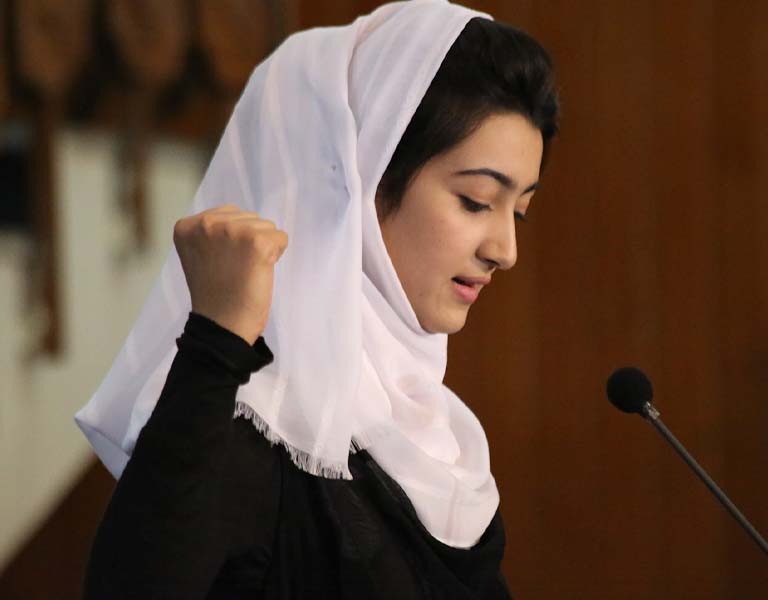
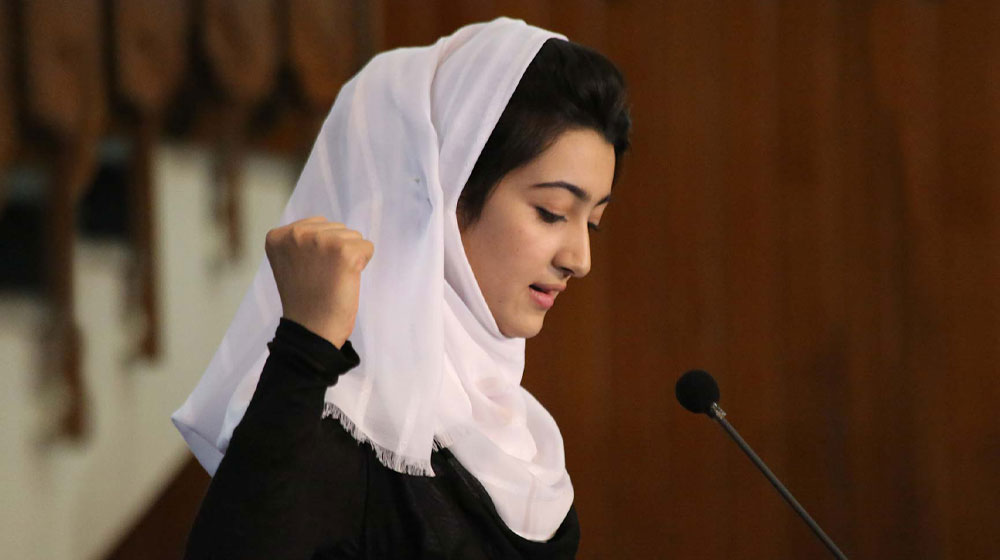
Today’s generation of adolescents and young people is the largest the world has ever seen. The planet is now home to more than 1.9 billion people aged 10–24, of whom more than 1.2 billion are aged 15–24. Most live in low- and middle-income countries, and make up a significant share of their national populations.
How these young people experience adolescence – particularly their ability to make informed choices about their bodies, lives and futures – will shape development outcomes for generations to come. Yet for many, structural barriers prevent them from realizing their rights and reaching their full potential. Discrimination, poverty, limited access to education and health services, and gender inequalities continue to restrict their opportunities, particularly for adolescent girls and young women, who also face heightened risks to their bodily autonomy, safety and well-being.
UNFPA works in partnership with adolescents and young people to support their agency, leadership and meaningful participation in decisions that affect their bodies, lives and communities. This commitment is central to UNFPA’s 2026–2029 strategic plan and its adolescent and youth strategy – “My body, my life, my world” – which advances rights-based, life-course approaches that empower adolescents and youth as leaders, advocates and active agents of change.
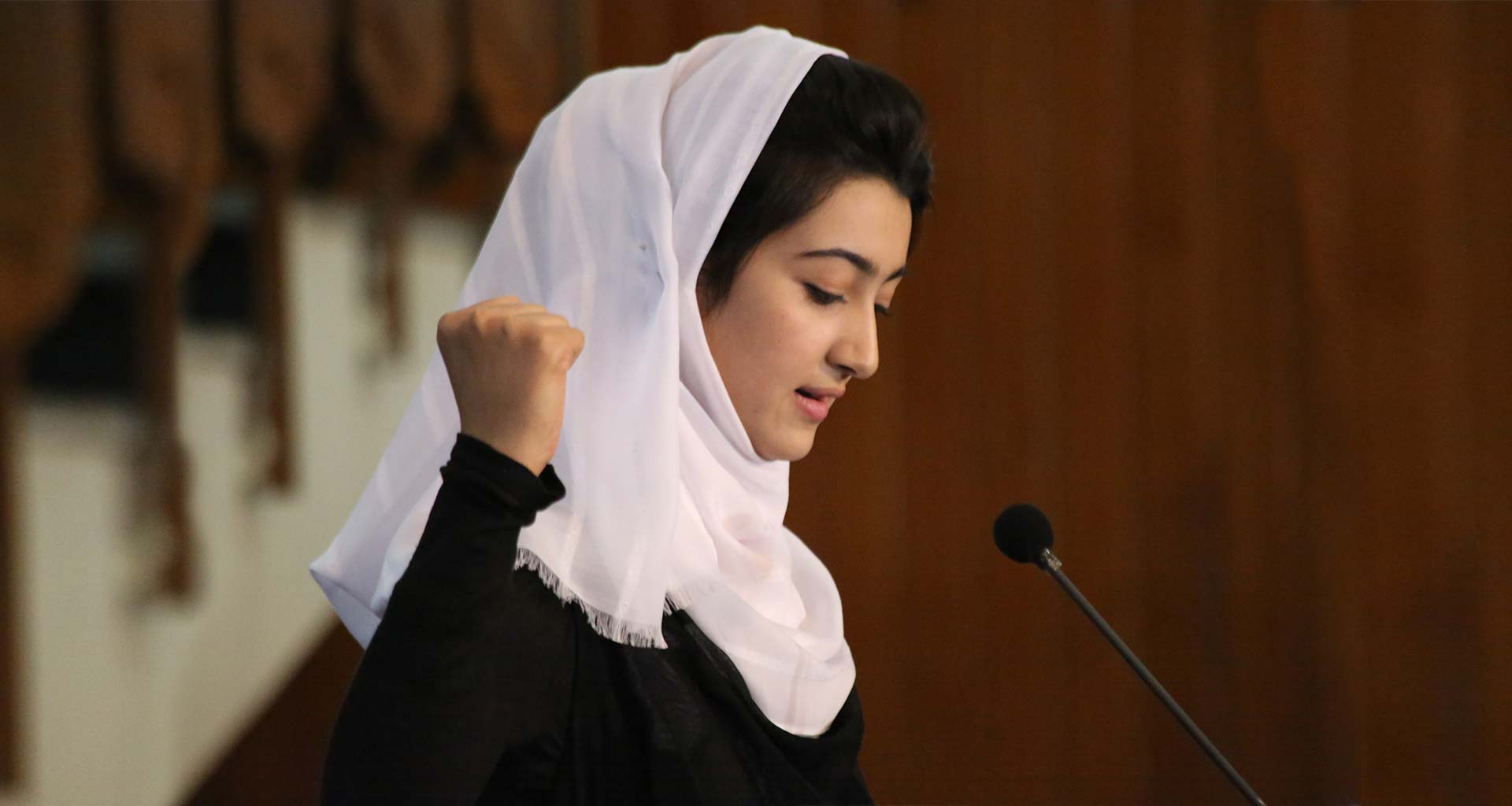
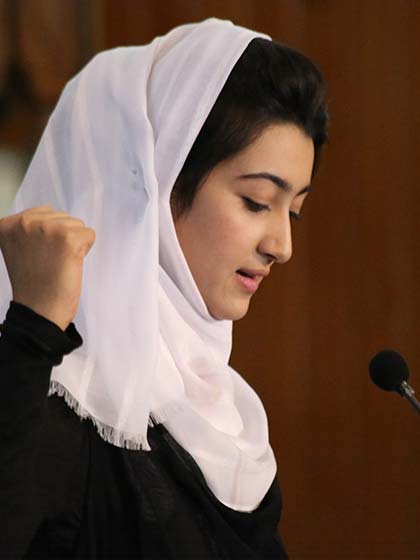
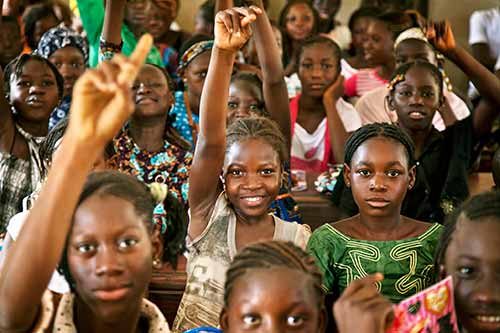
Young people are often excluded from decisions that directly affect them. To ensure they are recognized as rights-holders and equal partners in development, UNFPA works to:
- Understand the conditions facing marginalized adolescents and youth, using data and evidence to inform policies and programmes.
- Advocate for increased investment in young people as a development priority, bringing together governments, civil society, donors, the private sector and youth-led organizations.
- Strengthen the capacity, leadership and agency of young people, ensuring they can meaningfully contribute to policy, programme design and advocacy.
- Support independent, youth-led organizations that advance human rights, gender equality and adolescent and youth development.
- UNFPA’s work is guided by its youth strategy, which focuses on empowerment, equity, inclusion and partnership. It is aligned with the UN’s Youth2030 strategy, which positions young people as central actors in achieving global development and peacebuilding goals.
Promoting youth leadership and participation is central to UNFPA’s mandate. Adolescents and young people are supported to develop the knowledge, skills and confidence to make informed decisions about their bodies, health, education and communities.
UNFPA ensures that youth engagement encompasses local, national, regional and global levels, enabling young people to influence programmes, policies and decision-making processes. A notable example of meaningful youth participation is the ICPD30 Global Youth Dialogue, hosted by UNFPA and partners in 2024 in Benin. There, young people contributed key recommendations that were captured in the Cotonou Youth Action Agenda, which has since been used as a guiding framework in advocacy processes, ensuring that the needs, priorities and perspectives of young people are reflected in intergovernmental discussions.
From child marriage and other forms of gender-based violence to lack of autonomy over their bodies and choices, adolescent girls and young women face disproportionate barriers to leadership, participation and services.
UNFPA connects girls with resources, mentorship and platforms to advocate for their rights and contribute to community change. They engage in dialogues, community conversations and policy processes, emerging as champions for gender equality and human rights in their communities.
Adolescents and young people are central to achieving the Sustainable Development Goals, the set of 17 goals aiming to transform the world by 2030. Investing in the education, health, livelihoods and leadership of adolescents and young people, as well as in youth-led initiatives, is critical to inclusive, sustainable and equitable development.
With only a few years remaining until 2030, it is essential that adolescents and young people are at the centre of implementation of the Sustainable Development Goals, as both rights-holders and drivers of change. UNFPA’s work ensures that young people are active contributors, partners and advocates, shaping development outcomes that directly affect their lives now and in the future.
Updated 16 February 2026