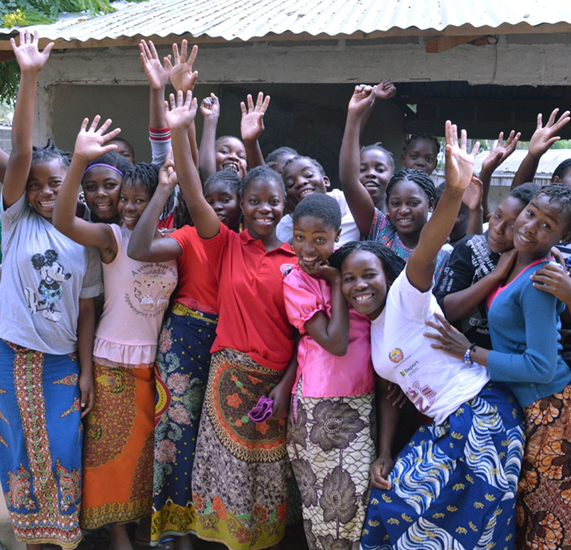
The Improving Sexual, Reproductive, Maternal, Newborn, Child and Adolescent Health in Mozambique programme aimed to equitably improve health outcomes for women and children by enhancing demand, use, and quality of interventions in the country.
The three-year partnership, initiated in 2017, brought together UNFPA, UNICEF and WHO, in collaboration with government and other partners. It trained and motivated RMNCAH (reproductive, maternal, newborn, child, and adolescent health) staff, including midwives, and bolstered health facilities’ readiness to provide essential and emergency obstetric and neonatal care, including safe abortion care. At the same time, it worked to make life-saving commodities more available, while building and improving the country’s health infrastructure, with a focus on water and sanitation in primary health care facilities providing maternal care.
To strengthen demand for RMNCAH services, the programme worked to engage communities, especially in the districts with the greatest need, and to boost information and governance systems. To foster an enabling environment, the project aimed to advance an institutional reform agenda for the RMNCAH sector.