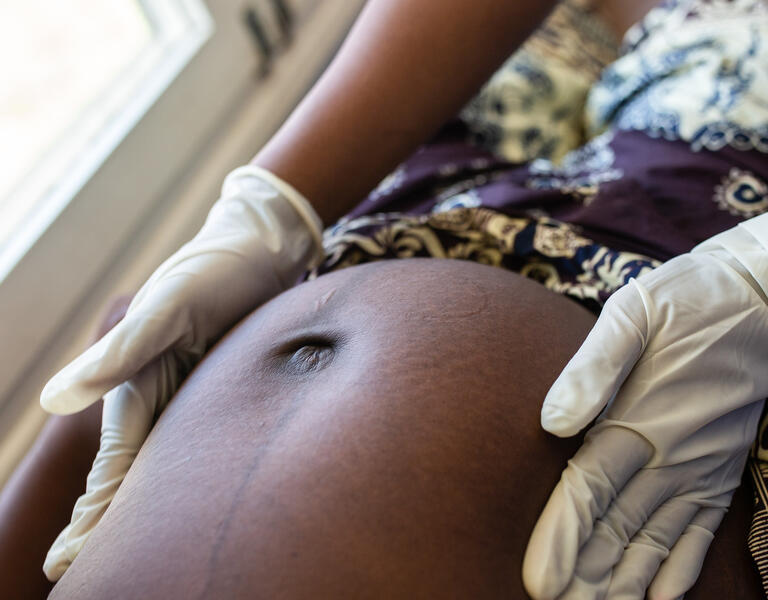
Obstetric fistula is one of the most serious and tragic childbirth injuries. A tear between the birth canal and bladder and/or rectum, it is caused by prolonged, obstructed labour without access to timely, high-quality medical intervention. It leaves women and girls leaking urine, faeces or both, and often leads to severe infections, chronic medical problems and mental health challenges including depression and social isolation.
Half a million women and girls in the Arab States region, Asia, Latin America and the Caribbean and sub-Saharan Africa are estimated to be living with fistula, with thousands of new cases occurring every year. Yet with skilled care, fistula is almost entirely preventable. Its persistence is a reminder of global inequality and an indication that health and social systems are failing to protect the health and human rights of the poorest and most vulnerable women and girls.
As the lead agency for the global Campaign to End Fistula, UNFPA provides strategic leadership, technical guidance and financial support to prevent and treat obstetric fistula and restore dignity to survivors. This includes supporting front-line health worker training, strengthening surgical and rehabilitation capacity, supplying essential medical commodities, improving data and evidence systems, and advancing advocacy and survivor reintegration programmes. UNFPA also works to prevent fistula by strengthening maternal and reproductive health systems, including access to quality midwifery care and timely emergency obstetric services.
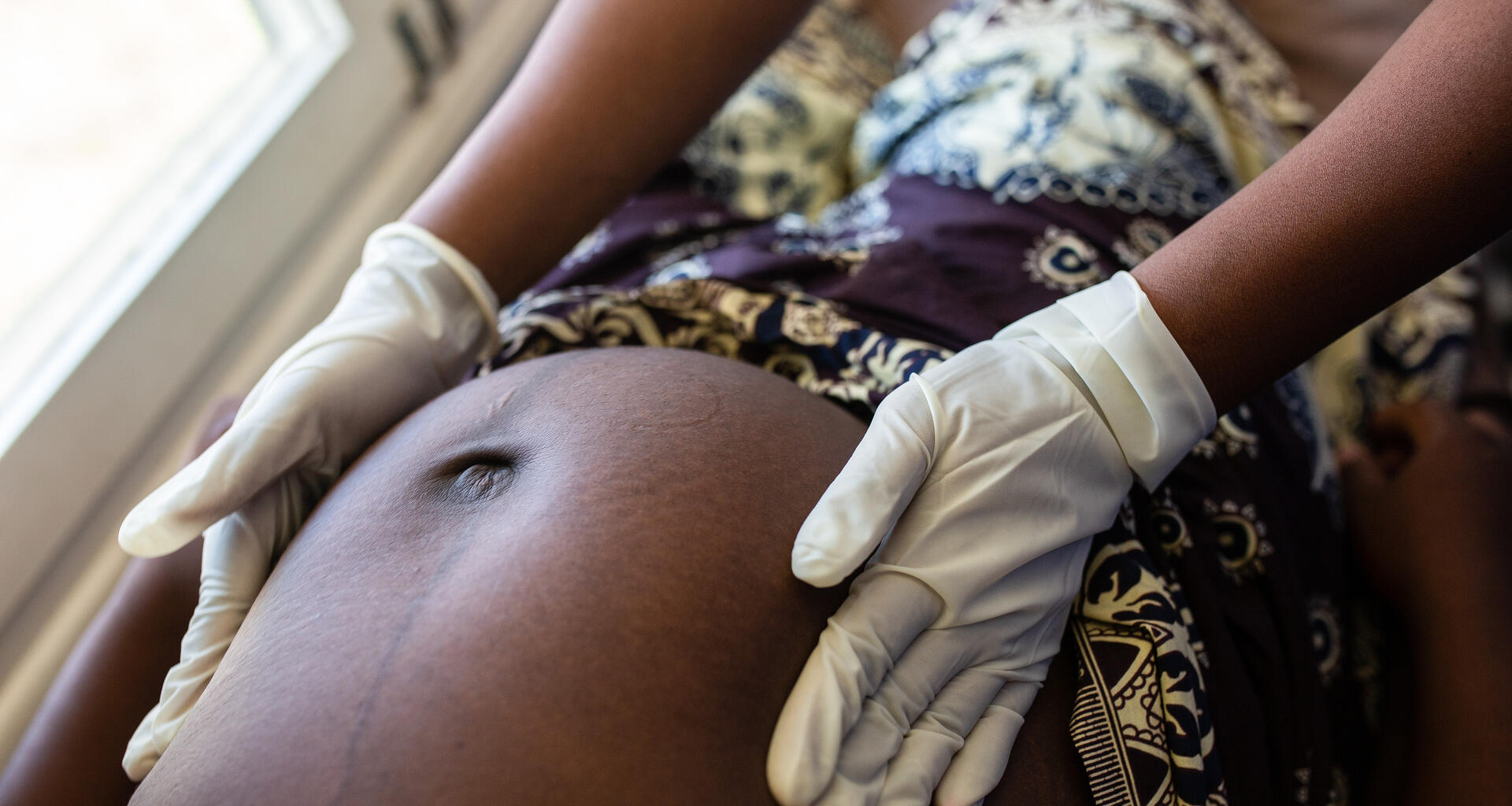
Without emergency intervention, obstructed labour can last for days, all too often resulting in death or severe disability. The obstruction can cut off blood supply to tissues in the woman’s pelvis, which results in a tear between the vagina and the bladder and/or the rectum. Tragically, there is a strong association between fistula and stillbirth, with research indicating that approximately 90 per cent of women who develop obstetric fistula end up delivering a stillborn baby.
Obstetric fistula has been virtually eliminated in high-income countries through timely, high-quality medical treatment for prolonged and obstructed labour, namely Caesarean sections. Obstetric fistula occurs mostly among the poorest and most marginalized women and girls, especially those living far from medical services and those for whom services are not available, accessible, affordable or acceptable. Childbearing in adolescent girls before the pelvis is fully developed, as well as twin pregnancy, breech position of the baby, malnutrition, small stature and generally poor health conditions are among the physiological factors contributing to obstructed labour. However, any woman may experience obstructed labour, including older women who have already had babies.
Some forms of fistula are caused by traumatic injury and sexual violence, or surgical errors during gynaecological and obstetric procedures (iatrogenic fistula). There are increasing reports of iatrogenic fistula in many countries that also face the burden of obstetric fistula.
Left untreated, obstetric fistula causes chronic incontinence and can lead to a range of other physical ailments, including frequent infections, kidney disease, painful sores, sexual dysfunction and infertility. The physical injuries combined with misperceptions about the cause of fistula often result in stigma and discrimination, leading to social isolation, psychological harm and mental health issues. Women and girls living with fistula are often unable to work and many are abandoned by husbands, partners or family members, while also facing stigma and exclusion from their communities. This can drive survivors deeper into poverty, vulnerability and isolation, severely affecting their health, dignity and quality of life. Fistula also intersects with other forms of discrimination linked to disability, health status, marital status, education and socioeconomic inequality, compounding marginalization and limiting access to support and opportunities.
Reconstructive surgery can usually repair a fistula. Unfortunately, many affected women and girls are unaware that treatment is possible, cannot afford it or cannot reach the facilities where it is available. There is also a shortage of highly trained and skilled surgeons to perform the repairs. At the current rate of progress, many women and girls living with fistula today could die before ever being treated.
Beyond surgery, a holistic approach that addresses the psychosocial and socioeconomic needs of fistula survivors is required to ensure full recovery and healing.
Counselling and other forms of training and support – such as livelihood skills, literacy, job training and health education – may also be necessary to help women reintegrate into their communities, rebuild their lives, and regain their dignity and hope after surviving fistula.
Follow-up is also crucial for all women and girls who have had fistula repair surgery, helping to ensure they do not develop the injury again during subsequent births and to protect the survival and health of both mother and baby. Women and girls who have been deemed inoperable or incurable also require special and sustained attention and support.
Prevention is the key to ending fistula. Ensuring the availability of skilled health personnel at all births, including midwives, and providing timely referral and high-quality emergency obstetric care for all women and girls who develop complications during delivery would make this tragic condition as rare in developing contexts as it is in wealthier countries.
Ensuring access to modern family planning options for those who want them could significantly reduce maternal disability and death by reducing early and closely spaced pregnancies – key risk factors for obstructed labour and fistula. This would also enable birth spacing after a traumatic delivery or fistula repair, support healing and reduce lifetime risk by limiting total pregnancies.
The underlying factors that contribute to women’s and girls’ marginalization and negatively affect their well-being – such as lack of access to quality health services and education, persistent poverty, gender and socioeconomic inequality, child marriage, adolescent pregnancy and failure to protect human rights and empower women and girls – must also be addressed.
Furthermore, conflict, climate disasters and public health emergencies continue to threaten the health and well-being of women and girls. These overlapping crises deepen gender inequalities, increase the risk of gender-based violence and place additional strain on fragile health systems, undermining access to quality, non-discriminatory sexual, reproductive and maternal health services, as well as bodily autonomy.
In 2003, UNFPA and its partners launched the global Campaign to End Fistula, now active in more than 55 countries. The campaign has helped to restore overall health, dignity, hope and agency for some of the most marginalized women and girls worldwide, through a holistic, gender-sensitive and rights-based approach. To date, UNFPA has directly supported more than 153,000 surgical repairs for women and girls, and partner agencies have supported thousands more.
Thousands of women and girls have also received reintegration services, including psychological support, income-generating skills training and small grants to start businesses, with support from the UNFPA Maternal and Newborn Health Fund. UNFPA has also strengthened hundreds of health facilities and supported the training of thousands of health workers, including surgeons, midwives, nurses and community health workers.
On 23 May 2013, the United Nations marked the first International Day to End Obstetric Fistula, to raise global awareness, amplify the voices of survivors and inspire action to end this devastating childbirth injury. Observed annually, the day brings together governments, health professionals, civil society organizations and advocates worldwide to promote prevention, treatment and restore dignity and rights for women and girls affected by fistula.
In 2018, UN Member States adopted a landmark resolution calling for the elimination of obstetric fistula within a decade, in line with the 2030 Agenda for Sustainable Development. Subsequent resolutions in 2020, 2022 and 2024 have urged all fistula-affected countries to increase investments and accelerate action. These commitments recognize that ending fistula is fundamental to achieving universal access to quality sexual and reproductive health services and rights, advancing gender equality and delivering on the global commitment to leaving no one behind.
You can read more about ending obstetric fistula in the report Obstetric Fistula and Other Forms of Female Genital Fistula: Guiding Principles for Clinical Management and Programme Development.
Updated 25 August 2026